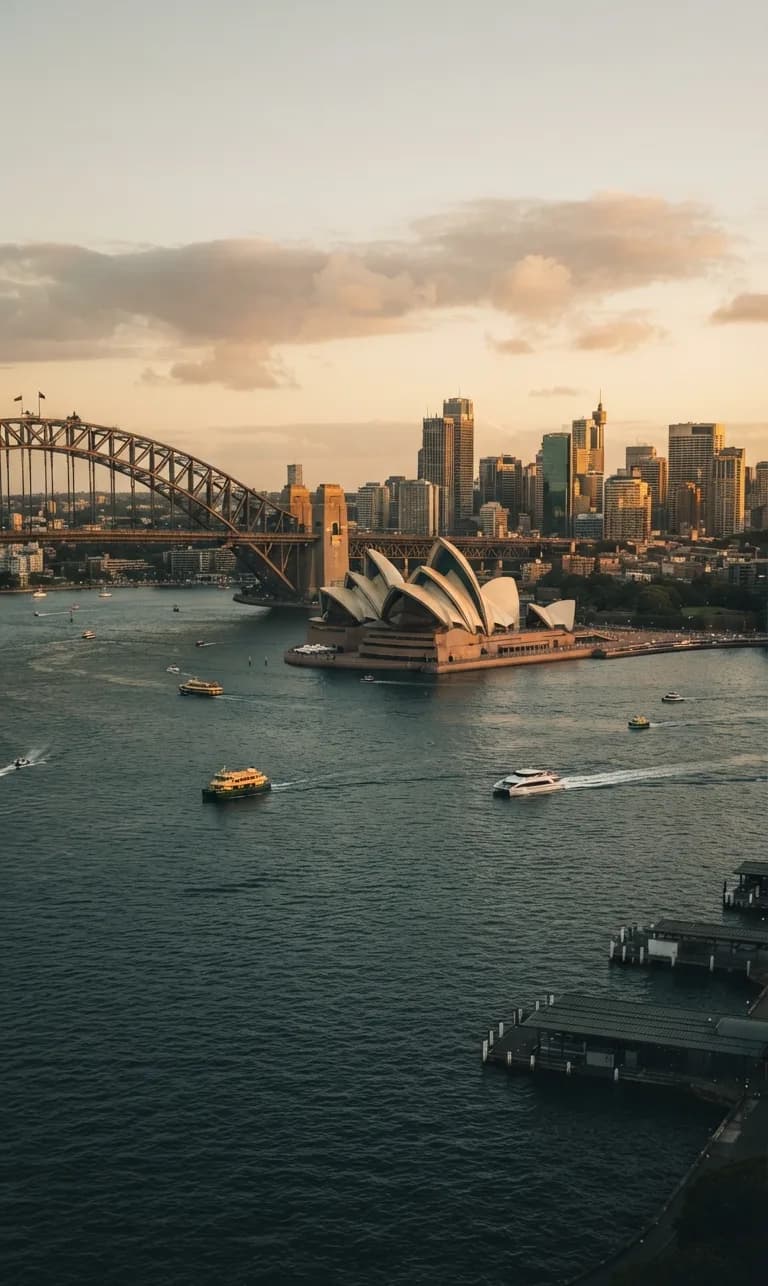
Sydney
Australia's largest city and its biggest concentration of universities — harbourside, and the most expensive of the eight.
Read the city guide

Everything you need to know about Australian student visas — from application to arrival.
In the global top 100
Post-study work rights
Student cities
Up to 100%
Part-time work rights
Student visa
Main intakes
Visa application fee
If you are planning to study in Australia from Nepal, the student visa process can feel like a maze of documents, deadlines and unfamiliar terms — Genuine Student, Confirmation of Enrolment, Visa Subclass 500. It isn't complicated once you see it broken into stages. Below is the complete journey, from choosing your course to boarding your flight, explained the way we walk every Genix student through it in person.
0 of 10 expanded
A QEAC-certified counsellor walks every stage with you — and catches the financial and GS problems long before a visa officer does.
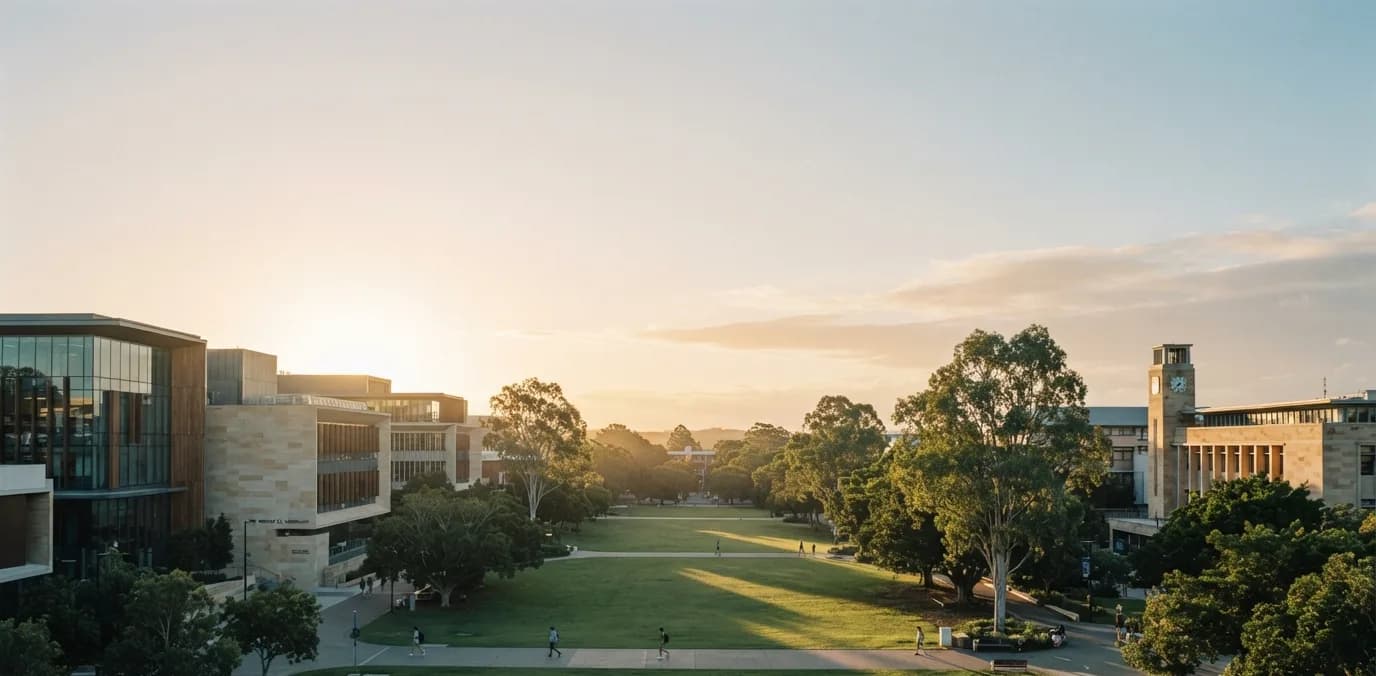
Life on campus
Forty-plus universities across six major student cities, and a campus culture built around international students rather than around visitors.
Where you would live
Rent, climate and the size of the student community differ more between these than the universities in them do.
Australia's largest city and its biggest concentration of universities — harbourside, and the most expensive of the eight.
Read the city guide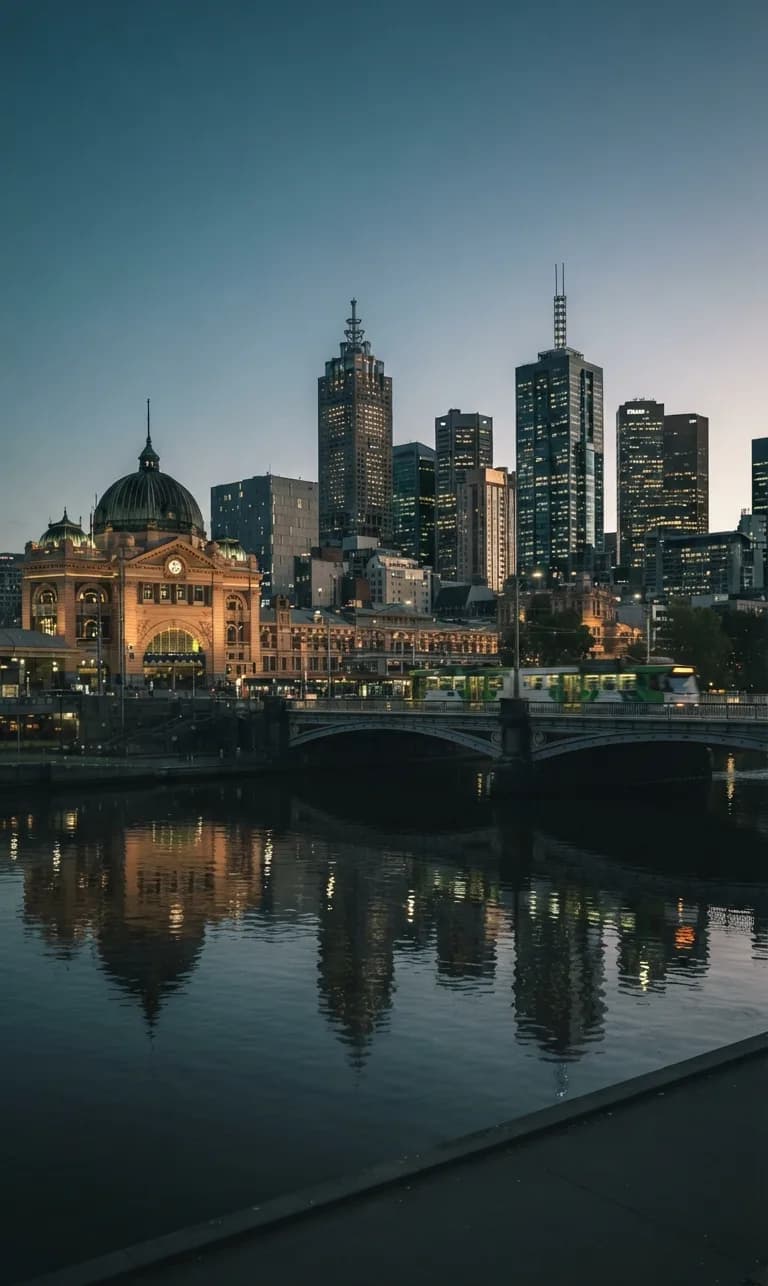
Trams, laneways and the country's densest student scene, with a long-running reputation for liveability.
Read the city guide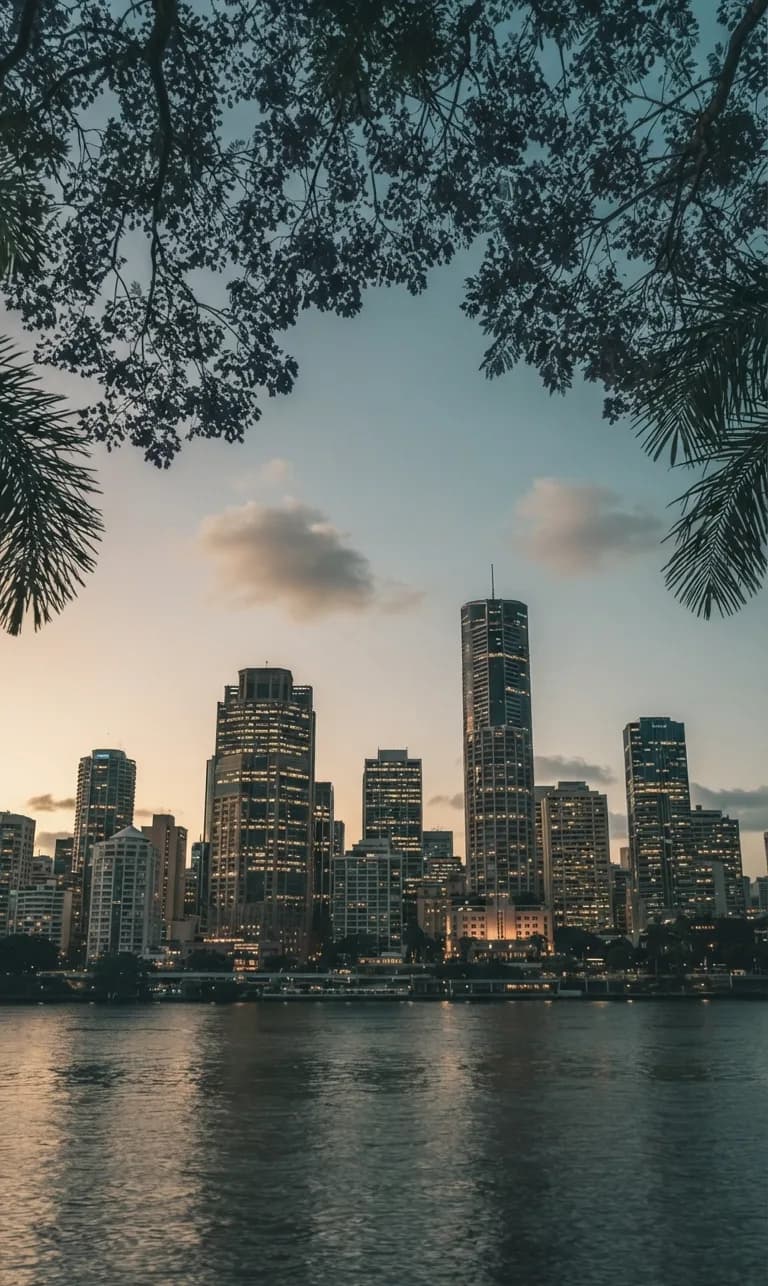
Warm all year, calmer and smaller than Sydney, built along a river that runs through the centre of it.
Read the city guide
On its own on the west coast, which keeps the campus community unusually close-knit.
Read the city guide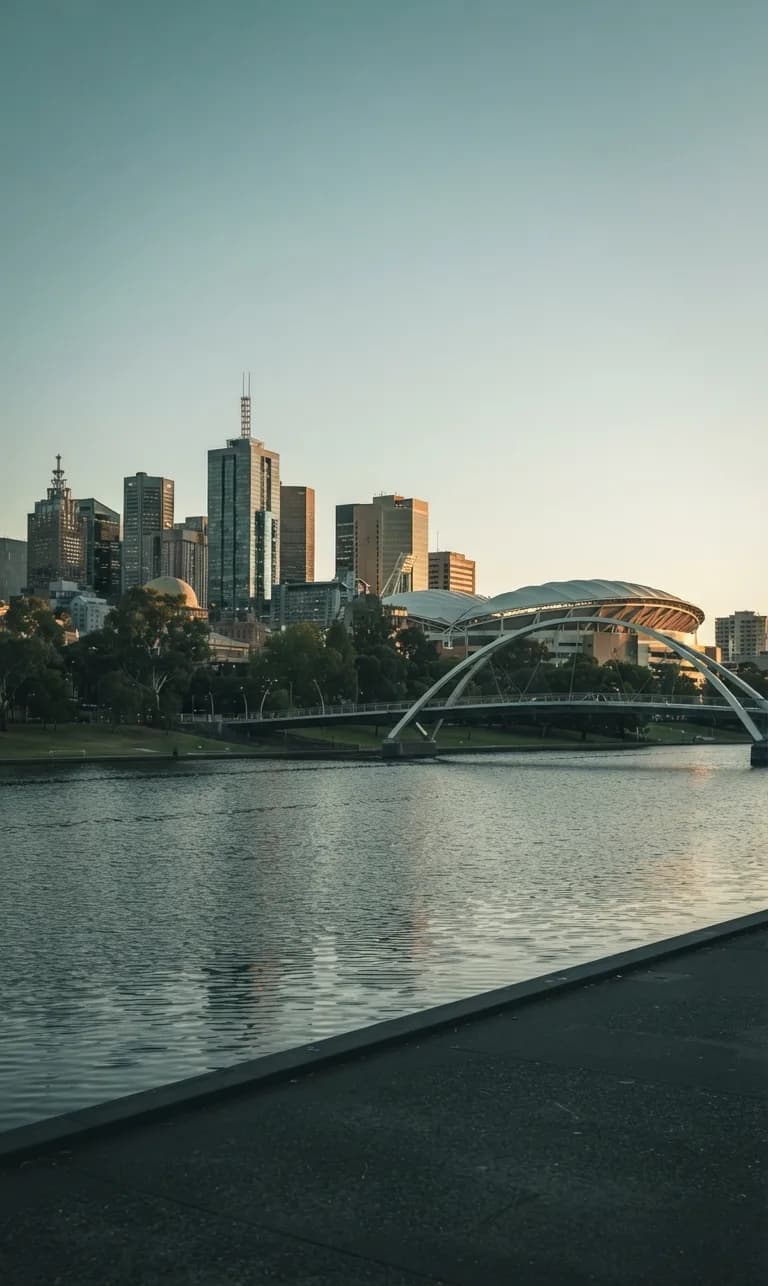
Compact and walkable end to end, with the country's best-known wine regions on its doorstep.
Read the city guide
Hobart and Launceston — small cohorts, mountains, and the quietest place on this list to study.
Read the city guide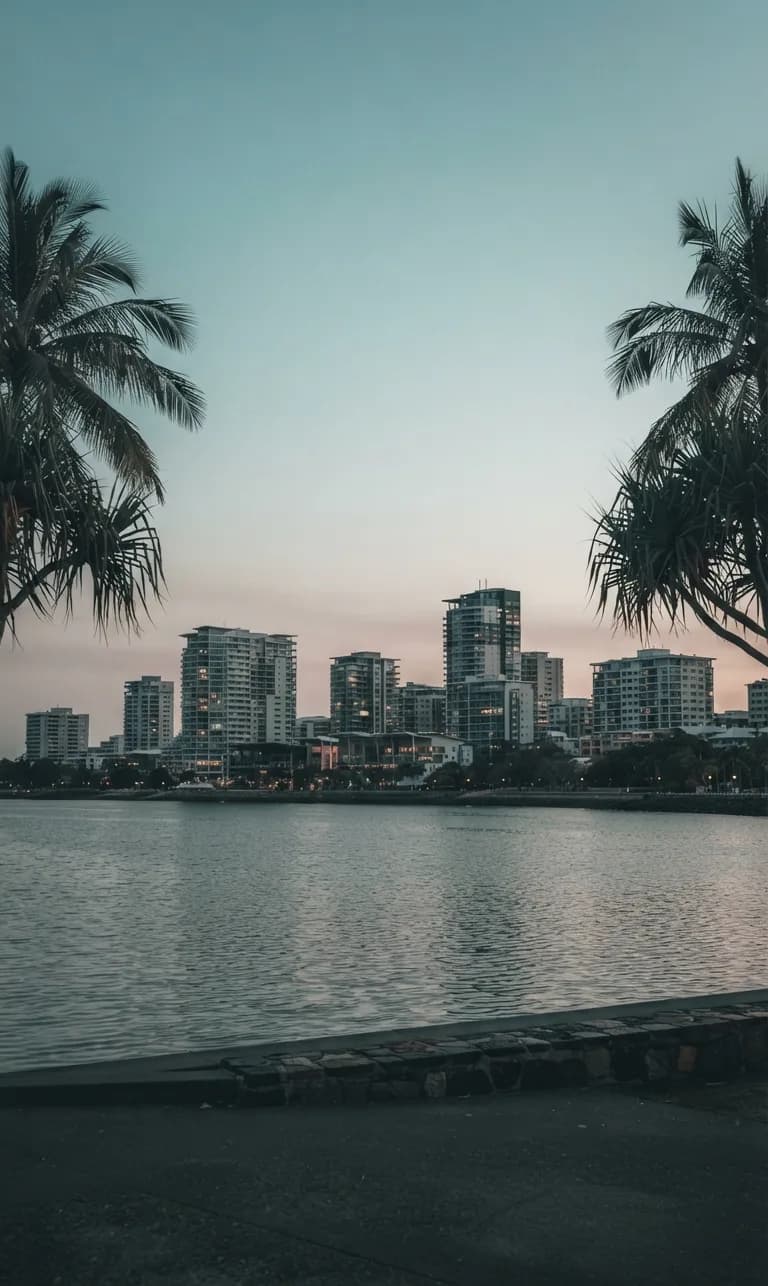
The tropical north, and the closest Australian capital to Asia by some distance.
Read the city guide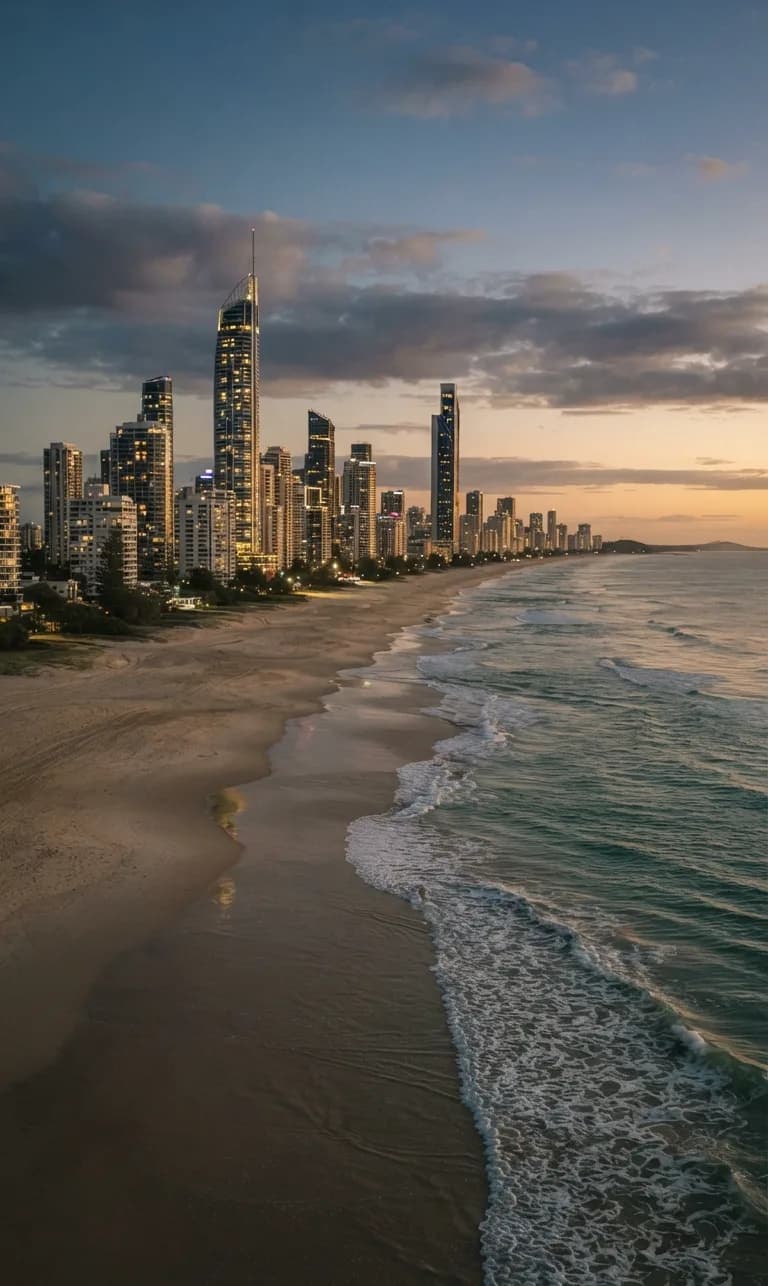
The nation's planned capital — compact, green and quiet, with national institutions on the doorstep.
Read the city guideEvery level of Australian study, from a pathway diploma to a funded doctorate — with counsellors who know which one your profile actually fits.
Student essentials
What a qualified counsellor should be able to show you before you commit.
Verified Australian government and education portals for visas, courses, costs and scholarships.
To study in Australia, you must meet the genuine student criteria. You must have a good academic background and a good level of English. Your sponsor must support you and can afford your studies and other expenses.
As per the Department of Home Affairs, anyone can support international students. However, due to the current policies, it all depends upon universities’ Genuine Student requirement criteria. Some universities may ask only parents as supporters, or some may accept grandparents, uncle/aunt, maternal uncle/aunt, or family friends. We recommend contacting us or contacting our counselor for an acceptable sponsor for your further application process.
The Department of Home Affairs (DHA) accepts all Class Bank of Nepal as their approved financial institutions. However, every university has its own financial criteria. Some universities have selected only a few A-class banks in Nepal. Therefore, you are requested to consult with our team for specific university financial criteria.
To meet the financial criteria for an Australian student visa, you must show funds for 12 months of your tuition fees and 12 months of your living expenses, including your OSHC and travel expenses.
In the current situation, different Australian Institutions have their own financial requirement where they have set minimum annual income of sponsors of the applicant. We recommend you to contact our team for the annual income requirement of the particular institutions and also choose the institutions based on your financial income.
First, you need to check whether the university accepts students under 18. Some universities may not accept students under 18 for their undergraduate program. To be eligible for admission and Confirmation of Enrollment, you must arrange your welfare arrangement from the approved university’s accommodation providers. If you have someone like your own brother or sister who is over 21 years old or if your parents live in Australia or any relatives who are permanent residents or Australian citizens and approved by your providers, then you don’t need to find a welfare arrangement. While submitting your visa application, you need to fill out form 1229 with detailed information of your parents and their signature and proof of government identity card with signature.
Department of Home Affairs mentioned that the minimum English requirement for postgraduate programs is 6.5 overall and 6.0 overall for undergraduate programs. However, some programs may have different English requirements, such as Nursing has an overall 7.0/7.0 requirement.
You must check all your details before submitting your visa application. However, if you find any typing error or wrong information mentioned, then you can simply log in to your immi account and go to the update details section. You can mention the information as needed.
You must disclose your immigration history of any country while filling out the visa application form. Not disclosing immigration history intentionally or unintentionally your application may lead to the rejection of the visa application.
Talk to a Genix Education counsellor and get a personalised plan — course, university, visa and scholarships.



Ministry of Education Nepal Approved
An education consultancy dedicated to guiding your study and migration journey with integrity — and transforming your future.
Contact Us to Get An Appointment To Get Further More Details.
© Genix Education | Migration 2026 | All Rights Reserved